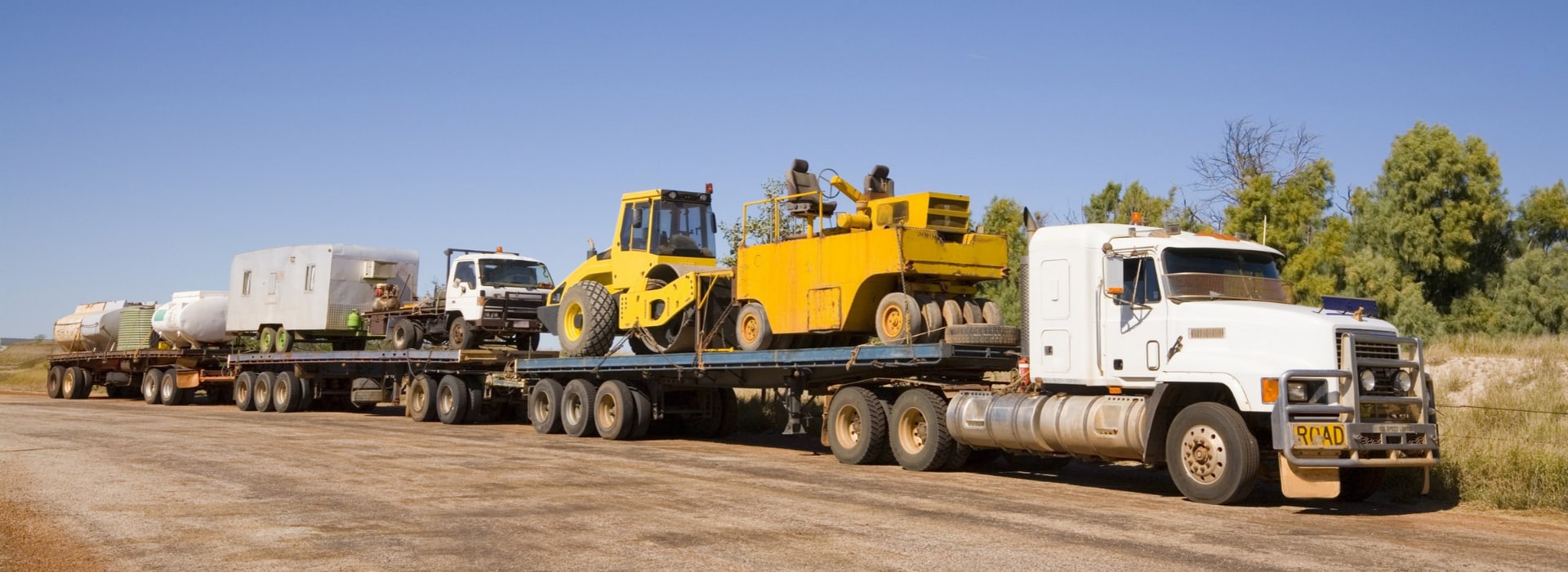
This post covers what actually decides your rate and approval on machinery, equipment and work-vehicle finance, and what’s driving demand for it on the Sunshine Coast right now.
Most machinery finance conversations start in the wrong place: the rate. What actually decides approval, and cost, is the age of the asset and how the deal is structured. It is not a number a lender publishes on a website. Maybe you’re weighing up finance for a new excavator. Maybe it’s a used skid steer, or the ute that gets you to the job. Either way, this guide covers what genuinely moves the numbers: how much you can borrow, what lenders need from newer ABNs, and how to finance the gear without draining your working capital.
_____________________________________________________________________________________________________________________
Machinery finance covers loans for the plant, equipment and vehicles a business needs to operate, from excavators and forklifts to work utes and vans. Most Fox deals are structured as a chattel mortgage. The business owns the asset from day one. Repayments are fixed. Interest and depreciation are generally tax deductible. Lease and hire-purchase structures exist too, but chattel mortgage is where most businesses end up.
Under the Australian Taxation Office’s instant asset write-off, businesses with turnover under $10 million can immediately deduct assets costing less than $20,000. That threshold became permanent from 1 July 2026. It applies to assets first used or installed ready for use from that date. This is general information only. Every business’s tax position is different. Confirm the deduction and your own eligibility with your accountant before you rely on it.
Want a deeper look at how the finance side is put together? Our equipment finance guide covers the mechanics of securing machinery in more depth.
_____________________________________________________________________________________________________________________
Machinery and equipment finance through Fox scales to the size of the asset, from smaller tools and equipment purchases to larger machinery deals, with terms structured to suit how long the asset stays useful to your business. The exact figures depend on the asset and the lender. What actually decides your rate is the age of the asset, more than any other single factor.
Newer or brand-new machinery, equipment or vehicles earn the lowest rate from a lender. Older assets price higher, because the risk to the lender rises as the asset ages. Depending on the lender, there is often no hard age limit within reason. The real test is whether the asset’s value still sits somewhere near its original purchase price, rather than a fixed maximum age.
Buying used or older machinery does not shut the door on finance. A ten-year-old excavator that has held its value can be easier to finance than a two-year-old one run hard and priced accordingly. Lenders price the asset’s remaining value. They don’t just look at the number on the build plate.
That distinction matters when you’re weighing up new versus second-hand. A well-maintained older machine can sit in a comparable rate bracket to a younger one in worse condition. Get a realistic valuation before you apply. Don’t rely on the asking price from the seller alone.
_____________________________________________________________________________________________________________________
Most machinery and equipment applications run on light documentation. Lenders typically want your BAS, business bank statements and a declared turnover figure. Two years of tax returns are usually not required. A deposit is not mandatory either.
A deposit comes into play in two situations. The first is when the amount a lender will lend falls short of the full price, and the deposit covers that gap. The second is when putting some money down lets the deal run on a faster, lower-doc path instead of a full financials review.
There are very few outright knock-outs in this part of business lending. ABN age, GST registration status and a thin financial history all get raised as concerns before people apply. Each of these can usually be worked around rather than treated as an automatic decline. Recent figures suggest most commercial applications submitted to lenders end up approved.
Want to see how this stacks up against the whole market, not just one lender’s view? You can compare equipment finance options across our panel before you commit to a structure.
_____________________________________________________________________________________________________________________
A work ute, van or light truck runs through the same finance mechanic as a piece of machinery. The asset’s age and value drive the rate, and a deposit is optional rather than required. Where it can genuinely differ is availability and turnaround, since vehicles trade in higher volumes than specialised plant.
This section is deliberately brief. For the full detail on financing a work vehicle, including truck-specific structures and eligibility, that page carries the depth this one does not.
_____________________________________________________________________________________________________________________
The Sunshine Coast’s infrastructure pipeline is still mostly ahead of us, not already built. Sunshine Coast Airport’s $170 million terminal redevelopment is underway, roughly doubling the terminal footprint. Nearby, the Maroochydore City Centre Priority Development Area is a 60-hectare master-planned CBD still being delivered. Sunshine Coast Stadium at Bokarina has early works expected later in 2026, with major construction from 2027 ahead of a 2030 opening to the community.
Further out, the Wave rail project’s first stage between Beerwah and Caloundra is funded and moving. A data centre expansion at Maroochydore is in development. A 175-residence build at Birtinya, Esperance, is under construction, with completion expected around mid-2028. This is a pipeline that is coming, not a boom that has already landed.
Right now the biggest growth we’re seeing on the Sunshine Coast is in vehicles. Businesses are upgrading to a newer, more reliable vehicle, often an electric one, largely to cut running costs. Beyond that, people are still financing the assets they need to keep their business running, rather than discretionary upgrades. That’s a different pattern to a straightforward construction boom, worth knowing before you assume the demand is all cranes and concrete.
_____________________________________________________________________________________________________________________
There’s no single fixed timeframe for settlement. It depends on the lender, the asset and how complete your paperwork is when you apply. What genuinely speeds things up is comparing the whole panel at once, rather than waiting on one lender’s process. Having your BAS and bank statements ready before you apply helps too, rather than sourcing them after the fact.
_____________________________________________________________________________________________________________________
Fox Finance Group has access to 50-plus lenders on our panel. We compare structures, rates and eligibility criteria side by side, rather than sending you to whichever lender we deal with most often. You get clear, jargon-free explanations and a structure that fits your business, not just the first option that appears.
Don’t stress though. You’ll have your own dedicated lending specialist to walk you through everything, so you get finance that actually works for your needs. Need a tradie-specific product rather than general machinery finance? Our tradie loan options run through the same light-doc approach covered above.
Ready to compare your options? Apply for business finance. A quick call costs nothing and could save you thousands.
 Rowdie Lang |
Rowdie has been a part of our Team since 2020. He has witnessed firsthand the ongoing evolution of the finance industry as technology continues to change the way customers' access financial services. He has a passion for helping people and relishes the opportunity to work alongside our teams every day as they help our customers financial dreams come true.
|
 |
Reviewed by: Nathan Drew ✅ Fact checked 📅 Last updated: Oct 01, 2026 |
Our personal loan pre-approval process costs you nothing and commits you to nothing. We work hard for you to present you with the best personal loan options on the market today that will save you money – then you get to make the final decision on which loan is right for you.
As a finance broker we only win when you win, so we look at every possible legal way to obtain your loan from one of our many lenders. Personal lenders consider things such as:
Yes, in most cases personal loans will be unsecured. Interest rates for these can be either fixed or variable and are very competitive in today’s market. Personal loans can be used for: Holidays, Car Purchases, Jet Skis or Boats, Debt Consolidation, Home Renovations, Wedding Expenses, Furniture and more.
Yes. Secured personal loans can be used if you don’t qualify for an unsecured personal loan. Minimum secured personal loan is $5,000. (Classic, import, prestige vehicles, and older trucks will be considered). The finance will be secured by your vehicle giving the lender a high level of confidence in your willingness to repay the loan.
Usually just a few hours, however complex or difficult personal loan applications can take a few days. With the wonders of modern technology you can now sign your finance documents online, which makes the process of getting access to your funds much faster.